
Mining
Why African mining projects need patient capital
Long development timelines and cyclical commodity prices mean the right capital structure matters as much as the resource itself.
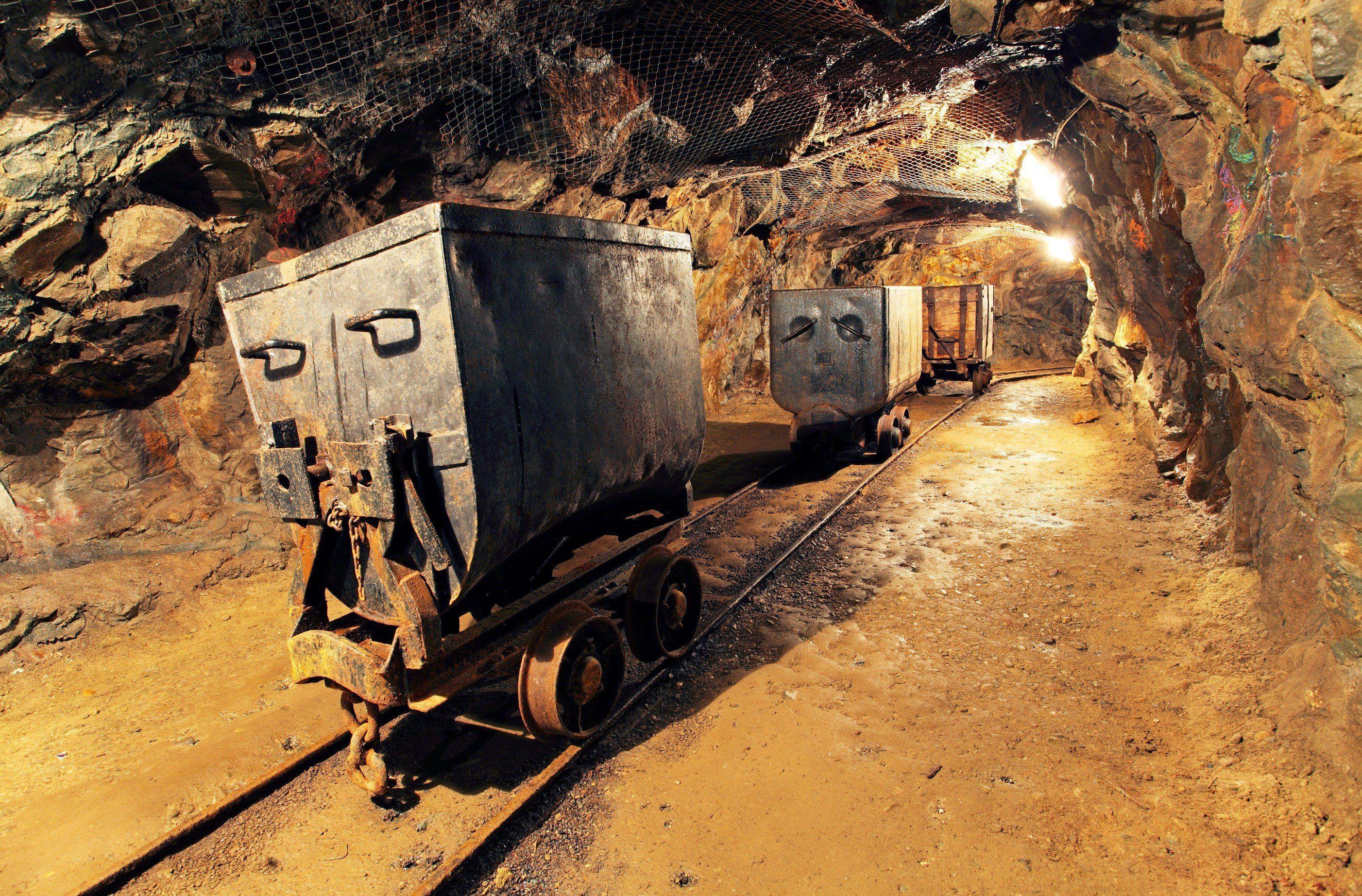
Mining is one of the longest-cycle businesses there is. From first discovery to first production, a gold project can take the better part of a decade — through exploration, resource definition, feasibility studies, permitting, and construction — before a single ounce is sold. Add in the time it can take to secure a mining licence and negotiate a community development agreement, and the timeline stretches further still.
Most capital isn't built for that. A typical private equity fund has a ten-year life and wants to be realizing returns by year five or six. Bank debt wants predictable cash flow, which a pre-production mine doesn't have. The result is a familiar gap in African mining: projects too advanced for pure exploration capital, and too early for conventional project finance.
Capital that's actually built for this timeline looks different. It's underwritten against the full development curve, not a single fund cycle. It treats a Community Development Agreement as a genuine cost of doing business, not a delay to minimize. And it's comfortable holding a position through a commodity cycle or two, rather than needing to exit into whatever price environment happens to be in front of it when the fund's clock runs out.
None of this makes mining an easy asset class. But the projects that make it through — the ones with real geology, proper licensing, and genuine community buy-in — tend to reward the capital that was patient enough to get there with them.